
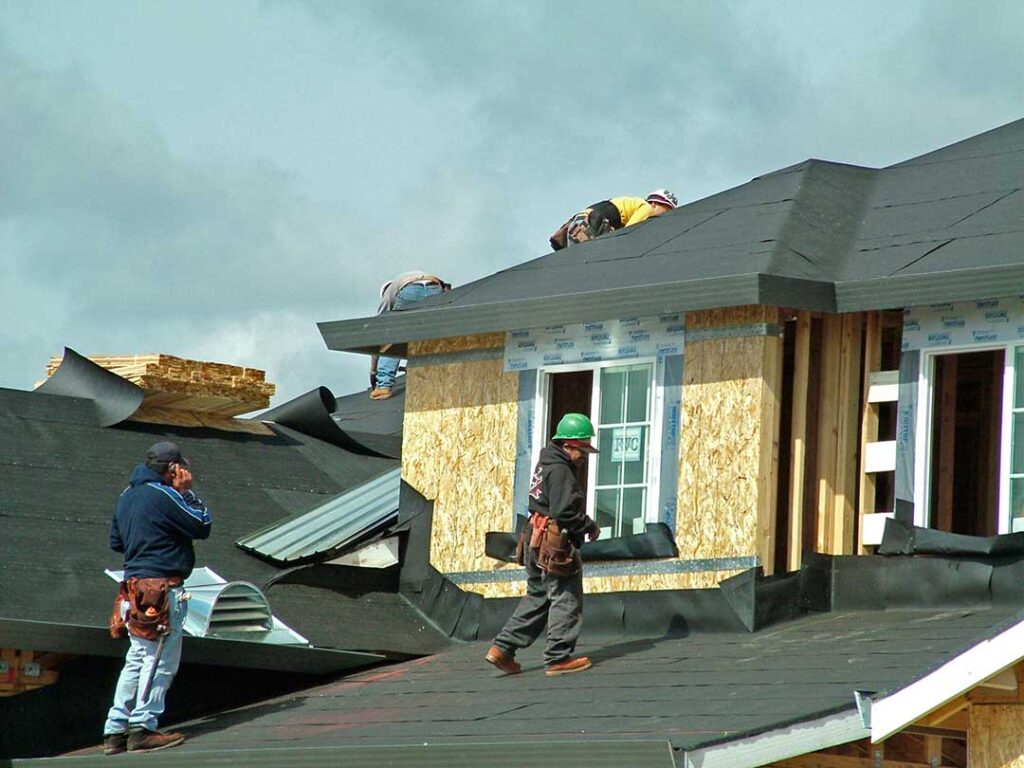
Why Do Roof Leaks Happen in Rochester, NY?
Most roof leaks in Rochester, NY stem from a few specific causes related to climate, local building styles, and seasonal conditions. The city’s freeze-thaw cycles, ice dams, large temperature swings, and mix of older and newer housing mean some problems stand out more than others. Understanding these root causes helps homeowners respond quickly and make informed decisions.
How Does Weather Contribute to Roof Leaks?
Roofs in the city face highly variable weather, including heavy winter snows, spring thaws, and summer thunderstorms. Each of these conditions can amplify existing vulnerabilities in roofing systems. For example:
- Snow and Ice: Persistent snow piles and ice dams are common. When snow melts and refreezes at roof edges, water can seep under shingles and into the attic. Even new roofs are prone to this if insulation or ventilation isn’t adequate.
- Rain and Wind: Sudden, wind-driven rain can push water beneath loose shingles or through tiny flashing gaps, especially during spring and summer storms.
Are Old or Damaged Shingles a Major Issue?
Yes, worn or missing shingles are a prevalent reason for leaks in the area. Shingles protect the roofing layer beneath; when they crack, curl, or fall off, rainwater may soak into the structure. Many older Rochester homes have asphalt shingles, which become brittle with age and temperature swings.
Practical tip: Look for shingle debris around your home or notice any spots that appear uneven or exposed on the roof from the ground.
What Are Flashing Failures and Why Do They Matter?
Flashing is a thin metal barrier installed around vents, chimneys, skylights, and where roof planes meet walls. In Rochester, flashing failures are a frequent point of water entry, especially during freeze-thaw cycles.
- Loose or Rusted Flashing: Metal flashing can detach or corrode, forming gaps for water to move through.
- Improper Installation: Sometimes, older homes have flashing retrofitted with adhesives that may degrade over many seasons.
To address this, focus on checking any points where two surfaces meet or where features stick up through the roofline, as these are leak-prone spots.
Can Clogged Gutters Cause a Leak?
Absolutely. Clogged gutters and downspouts cause water to back up on the roof edge instead of draining away. In Rochester’s fall and spring, gutters fill with leaves, pine needles, and granules from aging shingles. When not cleared, water can seep under the first course of shingles, causing rot and leaks along the eaves.
- Signs to watch for: Overflowing gutters, staining or rot on soffits, and icicles forming in winter are indicators.
How Do Ice Dams Lead to Water Damage?
Ice dams are a highly seasonal but notorious problem in the city. When snow melts from a warm roof, it flows toward the colder eaves and then re-freezes, forming a dam. Water then backs up behind the ice, pushing under shingles and leaking into the attic or walls.
Common misconceptions include believing that roof leaks only happen during rain. In reality, ice dams can cause significant water entry even on cold, dry days if conditions are right.
What Role Do Roof Vents and Skylights Play?
While essential for attic ventilation and natural light, vents, skylights, and associated penetrations are vulnerable to water intrusion:
- Cracked Boots/Seals: The rubber or plastic surrounding vent pipes can crack in Rochester’s cold, dry weather, letting water enter at the base.
- Improper Sealing: Skylights may leak if installation or flashing isn’t sound, or if caulking degrades over time.
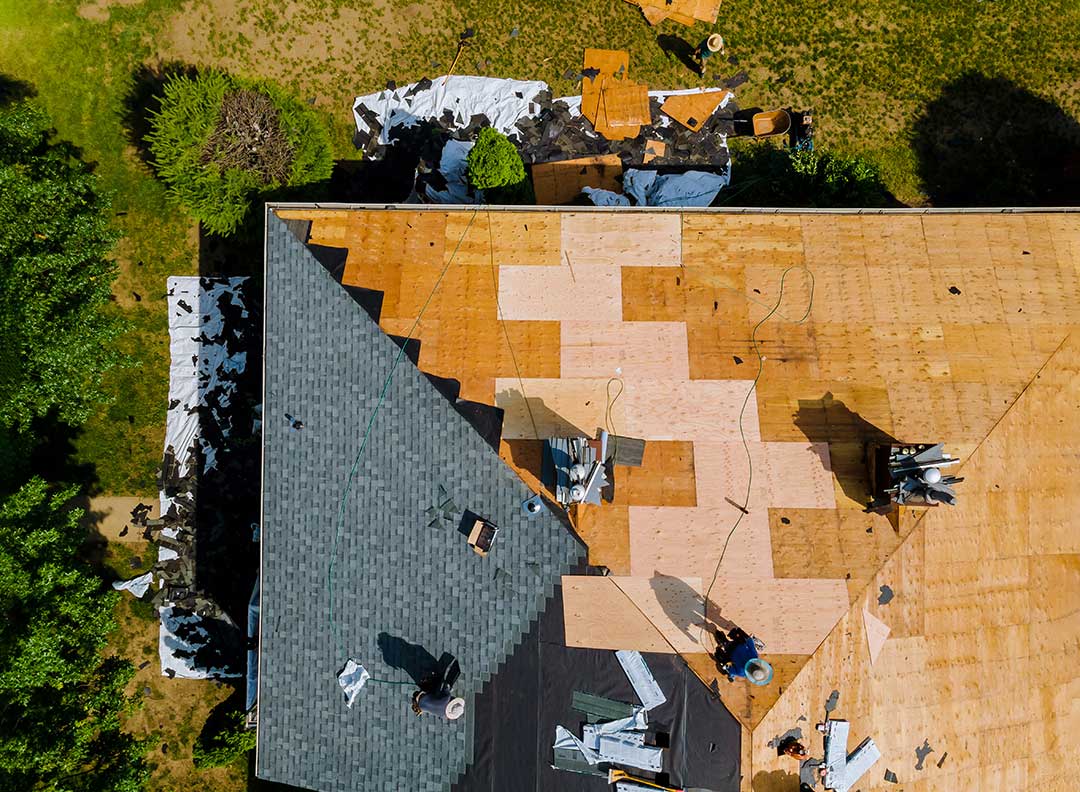
Routine checks for cracking, lifting, or visible gaps around these features can prevent small leaks from turning into major problems.
Are Attic and Insulation Issues Connected to Roof Leaks?
Yes, attic insulation and ventilation are critical local factors. Inadequate insulation allows heat from inside the house to escape through the roof, causing snow to melt unevenly—a major driver behind ice dams. Poor ventilation, common in some older Rochester homes, lets moisture build up in the attic, encouraging wood rot and mold that can undermine roof integrity from the inside out.
Practical example: Homeowners may notice damp insulation, mold, or frost in the attic, all of which should be investigated for hidden leaks or airflow problems.
Can Chimneys and Masonry Be a Source of Leaks?
Chimneys are a unique concern, especially in older neighborhoods. Mortar joints between bricks can deteriorate, letting water run down into the house. Additionally, the flashing where the chimney meets the roof often develops gaps over time.
Look for water stains or peeling paint on interior walls near the chimney stack as a signal of this issue.
What About Skylight and Solar Panel Installations?
Any roof penetration creates opportunity for leaks if weatherproofing isn’t maintained vigilantly. While solar panels are less common on older homes, new installations in Rochester sometimes introduce small, difficult-to-detect leaks, especially when sealants age or during thaw/freeze cycles. Regular inspections after installation of skylights or panels help catch problems early.
How Can Homeowners Reduce Chances of Leaks?
Quick, seasonal checks and general awareness of problem areas go a long way in preventing roof leaks. Local residents can:
- Keep gutters and downspouts clear before and after the leaves fall
- Watch for early signs of shingle or flashing damage, especially after major storms or heavy snow
- Address attic insulation and ventilation to lessen ice buildup on roofs
- Look inside attics in early spring for dampness, mold, or daylight around vents, chimneys, or roof edges
By staying mindful of Rochester’s unique weather and construction patterns, most homeowners can spot and address minor problems before they become major leaks.
