
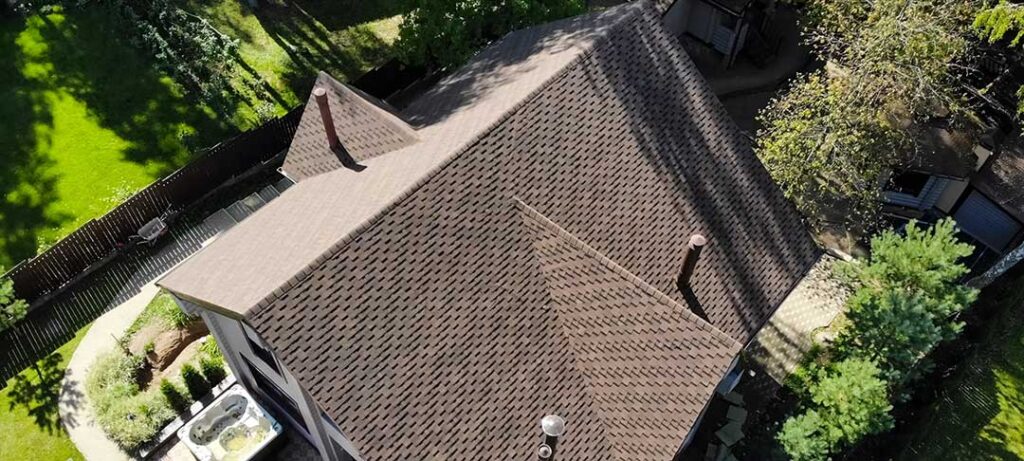
How Can Changing Temperatures in Rochester, NY Affect Roofing Materials?
Sudden temperature swings and wide seasonal shifts in Rochester, NY place significant stress on all types of roofing materials. Local homeowners often notice cracked shingles, warped metal panels, or shifting tiles because materials expand in summer heat and contract in winter's cold.
This ongoing process, known as thermal cycling, weakens fasteners and adhesives over time. Small gaps can develop between roofing elements, allowing water intrusion and reducing a roof's typical lifespan. Homes in the region that experience both very hot summers and harsh, cold winters are especially vulnerable to this cycle. Even newer roofs can display early signs of wear if not installed with local climate in mind.
Practical Example:
A common scenario in the city’s older neighborhoods involves asphalt shingles curling or losing granules prematurely—often after a few seasons of dramatic freeze-thaw cycles in the spring. This isn’t necessarily a material defect but usually a weather-related outcome.
What Does Rochester’s Snow and Ice Do to Residential Roofs?
Snow and ice contribute to both immediate and long-term roofing concerns. Rochester’s heavy, wet snowpack can place thousands of extra pounds of weight on roofs, particularly during the lake-effect storms that define area winters.
Roof structures are typically designed to handle significant snow loads, but ice dams are a unique local challenge. When heat escapes an attic and melts snow on the roof, that water often refreezes at the cold eaves, forming an ice dam. Over repeated weather cycles, this trapped water can creep underneath shingles and into decking, leading to leaks and structural rot that may go unnoticed until warmer weather.
Common Misconception:
It isn’t just older roofs that develop ice dams—homes with insufficient insulation or ventilation are just as susceptible, regardless of roof age or style.
How Does Wind Exposure in Rochester Challenge Roof Longevity?
Strong winds that accompany frequent thunderstorms and nor’easters in Rochester can lift or tear off roofing materials. Even if shingles or metal panels appear intact, wind-driven rain can work its way beneath loose edges and begin to degrade the roof structure.
Corners and roof ridges face the most severe wind pressure, while missing or weakened fasteners following a storm might not be obvious to those on the ground. Over several seasons, minor wind damage can become a pathway for moisture and pests.
Practical Tip:
Areas of the city with more exposed lots or older housing stock may notice wind-driven granule loss or reveal bent flashing after wind events—both issues that can signal future leaks.
Does Rochester’s Humidity and Rain Create Unique Risks?
Rochester’s late spring through fall can bring extended periods of rain and high humidity, impacting roofing system integrity in less visible ways. Consistent moisture exposure can degrade wood decking, support algae and moss growth on shingles, and reduce the effectiveness of underlayment materials.
Over time, water ingress causes mold growth and accelerates wood rot, particularly in roof valleys, near chimneys, or wherever two roof sections join. Humidity can also impact attic insulation, leading to internal condensation. This combination of exterior and interior moisture makes annual roof checks particularly valuable.
What Seasonal Maintenance Tasks Matter Most for the Community?
Routine inspection and maintenance tailored to Rochester’s climate can prevent small issues from becoming urgent repairs. Each season presents different challenges:
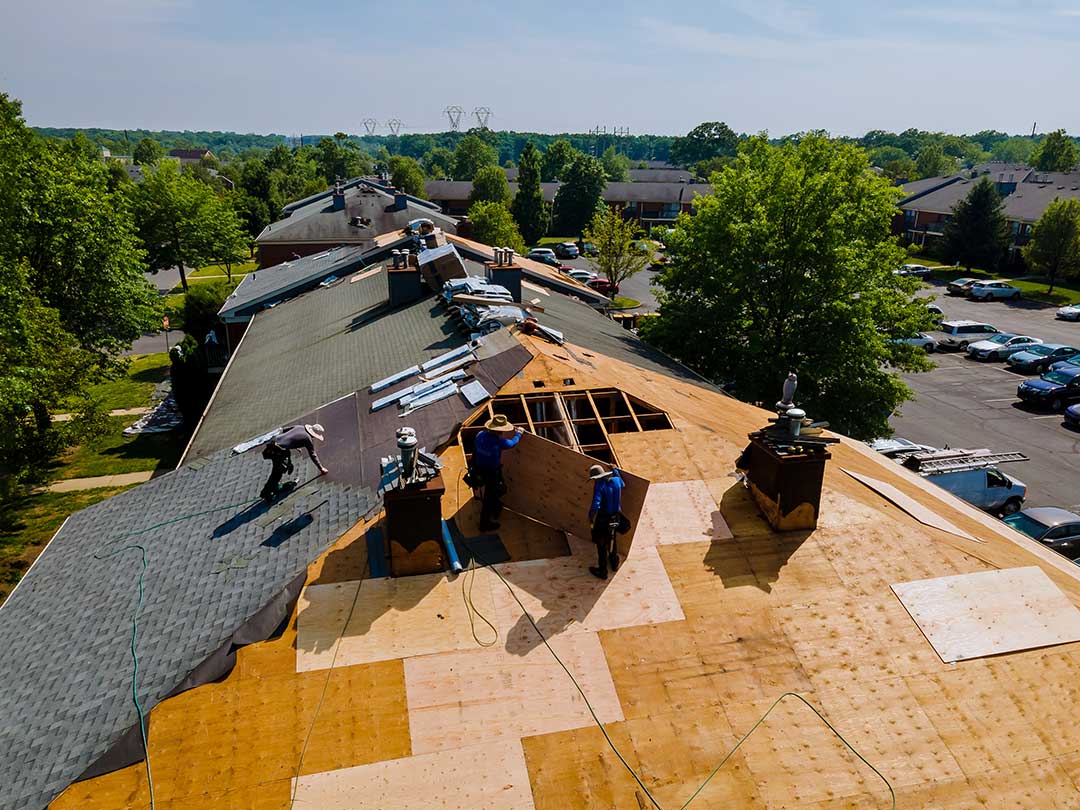
- After heavy snow or ice: Clear gutters and downspouts to prevent ice dam formation.
- In spring: Look for visible shingle damage, check attic spaces for water stains or mold, and remove winter debris from roof valleys.
- During windy seasons: Observe shingles and flashing for signs of displacement or damage.
- Throughout humid periods: Watch for algae streaks or moss growth—both can shorten shingle life and should be gently removed.
Neglecting small seasonal tasks can compound minor damage, particularly in the city’s older neighborhoods where past repairs may be less visible from the ground.
Are There Overlooked Risks Due to Local Architecture or Tree Coverage?
Mature trees, common in many Rochester neighborhoods, can both shade and damage roofs. While shade reduces some heat stress, overhanging branches may drop leaves and branches, trapping moisture and accelerating the moss or algae growth that shortens roof life.
Furthermore, local homes built with lower roof pitches or with complex gables may hold snow longer or shed melting ice inconsistently—making certain areas more prone to ice dam and leak risks. Residents often overlook the need to keep roof surfaces and gutters clear of debris, especially where trees are nearby.
Can Local Building Codes or Home Design Choices Reduce Weather Impacts?
Building codes in Rochester are influenced by regional climate data and require roofs to withstand typical snow loads, wind conditions, and precipitation rates. However, older homes or additions that predate modern codes may not benefit from these updated standards.
Thoughtful design choices—like proper attic insulation, robust roof ventilation, and material selection rated for the local climate—help mitigate weather challenges. Upgrading gutters or considering snow guards on metal roofs are also common adaptations for the local environment.
Area residents often overlook these preventative measures when planning renovations or repairs, but they can significantly improve roof durability.
