
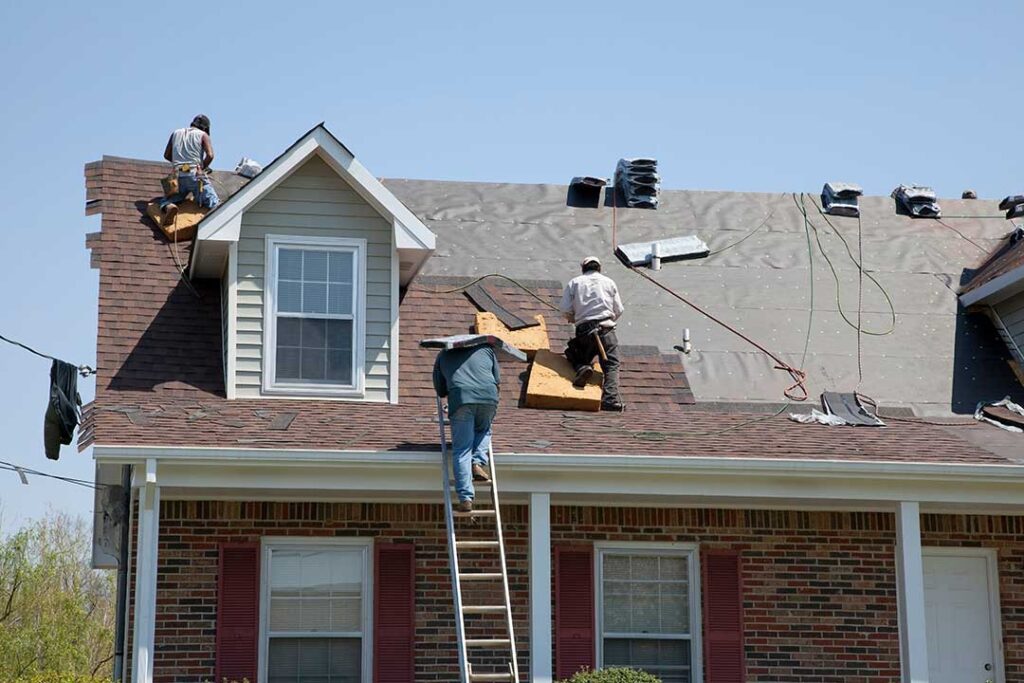
Why Does DIY Roof Maintenance Matter for Rochester, NY Residents?
DIY roof maintenance keeps homes in Rochester, NY safer, drier, and more resilient to frequent freeze-thaw cycles and unpredictable weather. Addressing roofing issues early can prevent water entry, ice dam formation, and premature material failures that result from the area’s long winters and humid summers. Residents who maintain their own roofs are more likely to catch problems before they become costly headaches.
What Are Safe Ways to Inspect a Residential Roof?
Start by visually inspecting your roof from the ground and safe vantage points like windows. If physically climbing the roof, use a sturdy ladder, wear boots with good traction, and avoid working alone. Never attempt roof inspections during high winds, rain, or when surfaces are icy.
Look for:
- Shingles that curl, crack, or are missing
- Accumulated debris in valleys or near chimneys
- Visible moss, lichen, or algae patches
- Rust or separation on flashing
- Sagging areas, especially after heavy snow
Binoculars are helpful for closer examination from a safe distance, especially for multi-story homes common in many Rochester neighborhoods.
How Do Local Conditions Affect Seasonal Roof Care?
Roofs in Rochester experience some of the harshest winter weather in the state. Wet leaves in autumn, heavy lake effect snow, and spring thaw cycles all create unique stresses. Local residents should prioritize:
- Removing leaves and twigs in fall to keep water flowing off the roof and out of gutters
- Safely clearing manageable amounts of snow (up to a few inches) using a roof rake after storms to minimize ice dam risks
- Checking attic ventilation and insulation each fall to reduce ice damming caused by heat escaping through the roof
- Looking for signs of freeze damage, such as popped nails or broken flashing, after winter
Understanding the city’s climate patterns helps anticipate the most vulnerable times for roof problems.
What Should You Check After Storms or Heavy Winds?
After storms, quickly assess for obvious shingle loss, new leaks inside the home, and downed tree branches or debris. Strong wind gusts in the region sometimes lift shingles, expose underlayment, or move gutters out of alignment.
Specifically, check:
- Roof edges—these are prone to wind damage
- Areas around satellite dishes or roof vents
- Gutters and downspouts for clogs or separation
- Attic ceilings for new water stains or musty odors
Even if damage looks minor, tracking it can indicate developing issues that may worsen in the next weather event.
How Do You Clean and Maintain Gutters Properly?
Clogged gutters are a leading cause of roof leaks in Rochester due to frequent rain and snowmelt. In autumn and spring, use gloves to scoop leaves and debris from gutters, then flush with a hose to ensure water moves freely. Confirm that downspouts direct water away from the foundation.
Some additional local tips:
- Remove gutter covers or screens for a more thorough cleaning
- Consider trimming back tree limbs that hang over the roof to reduce future clogs
- Inspect joints and hangers; loose sections can cause water to back up under roof edges
- Never use metal tools to pry or scrape inside gutters, as they can puncture seams

Can You Remove Moss, Algae, or Lichen Growth Yourself?
In Rochester, the humid summers and mature tree cover encourage moss, algae, and lichen on shaded, north-facing roofs. These growths trap moisture and can slowly damage shingles.
Manual removal involves gently brushing affected areas with a soft broom or non-metallic brush. For heavy growth, a 50/50 mix of water and white vinegar can be applied with a garden sprayer and rinsed after 15-30 minutes—always rinse away from downspouts or flower beds. Avoid using pressure washers or harsh chemicals, which can strip protective granules from shingles.
What Repairs Are Safe for a Homeowner to Attempt?
Many basic roof repairs can be tackled safely:
- Replacing a small number of missing or lifted shingles using roofing nails and compatible sealant
- Securing loose flashing around chimneys or dormers
- Reapplying exterior caulk to minor cracks around vents or skylights
However, do not attempt repairs on steep, high, or slippery roofs. For major leaks, structural concerns, or work near power lines, seek specialized help to avoid injury or code violations.
What Are Common Mistakes People Make With DIY Roof Maintenance in Rochester?
Even careful residents sometimes overlook key details:
- Ignoring attics, where the first signs of leaks often show
- Overloading gutters with debris, risking blockages at downspouts
- Walking too much on old or wet shingles, increasing breakage
- Using the wrong tools or harsh cleaners that void shingle warranties
Remember, gentle handling and regular, moderate attention are safest for most residential roofs.
How Often Should Area Homeowners Perform Basic Maintenance?
Inspect your roof and gutters every spring and fall, plus after any major storm. In neighborhoods with many mature trees, check and clean gutters as needed—sometimes monthly in autumn. Attic checks should also happen each season, paying attention to moisture, insulation, and airflow.
Creating a seasonal checklist tailored to your home’s unique features will help local residents keep up with needs, especially as climate patterns shift year to year.
