

Why Should Homeowners in Rochester, NY Pay Attention to Roof Inspections?
Roof inspections help catch minor problems before they turn into costly repairs, especially in a climate with heavy snowfall and seasonal temperature swings. Regular checks can prevent leaks, structural issues, and heat loss.
Many residents wonder if annual inspections are necessary. For homes in Rochester, local weather exposes roofs to ice dams, freeze-thaw cycles, and sudden windstorms. These elements can weaken shingles, flashing, and attic ventilation systems over time—even if everything appeared fine last year.
How Often Should Roofs Be Inspected in Rochester?
Ideally, roofs should be checked twice per year—once in late spring, and again in the fall. After noteworthy weather, such as a windstorm or heavy ice event, a quick visual check is worth doing.
For homes with older shingles or roofs nearing the end of their typical 20-30 year lifespan, more frequent inspections are wise. Tree overhangs, gutters prone to clogging, and roof valleys may require additional attention.
What Are Signs a Roof Needs Immediate Attention?
Some signs are more urgent in Rochester’s environment due to the potential for rapid water damage or mold:
- Missing, curled, or cracked shingles after a storm
- Damaged or sagging gutters
- Dark streaks or patches on shingles (could signal algae or roof wear)
- Moss or lichen growth, which traps moisture
- Shingle granules collecting in gutters
- Water stains or bubbling on interior ceilings and upper walls
If ice dams form along eaves in winter, this points to possible ventilation or insulation problems worth investigating further.
What Steps Can Homeowners Take for a Basic Roof Inspection?
Residents often ask if they can safely inspect their own roofs. In many cases, a thorough ground-level and attic inspection is possible without climbing onto the roof. Binoculars can be helpful for scanning shingles and flashing from the ground, especially on two-story homes.
Key steps include:
- Walk around the home’s perimeter, looking for visible shingle issues, debris piles, and wear patterns.
- Check gutter runs and downspouts for blockages or signs of separation.
- Use binoculars to examine roof valleys, ridges, and edges for cracked or missing materials.
- From inside the attic, look for sunlight through boards, damp insulation, active leaks, or musty smells.
Climbing on the roof isn’t necessary for most basic checks and should be avoided if the surface is wet, icy, or steep.
Which Roof Issues Are Most Common in Rochester, NY?
The most frequent problems encountered locally include:
- Ice dams forming along the eaves after snowstorms, leading to shingle lift and attic moisture
- Wind damage that breaks tabs or strips shingles
- Clogged gutters, causing water to pool and back up under flashing
- Moss and algae growth during humid summers that underline persistent moisture
- Accelerated aging of asphalt shingles exposed to freeze-thaw cycles
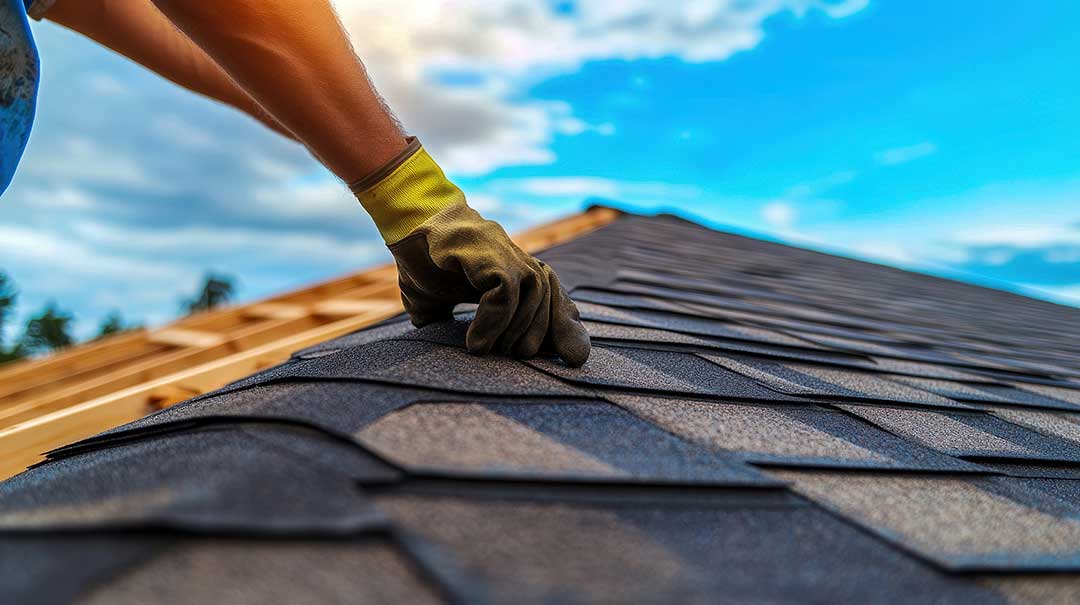
Roof vents and flashing around chimneys are also common spots for leaks, especially after winter.
What Roofing Materials and Features Should Be Checked?
Shingles are just one part of a healthy roofing system. Residents should also look at:
- Flashings (metal strips around pipes, skylights, and chimneys): Check for rust, gaps, or missing sealant.
- Ridge and soffit vents: Ensure they are clear of leaves and animal nests.
- Gutters and downspouts: Confirm water flows away from the foundation and isn’t blocked by shingle granules or debris.
- Bathroom and attic vents: Confirm that moist air is vented outside, not into the attic.
Homes with architectural shingles or metal roofing may show wear differently than traditional asphalt shingles, so residents should adapt their checklists accordingly.
Are There Safety Concerns When Inspecting a Roof?
Yes. Navigating a rooftop is risky, especially after rain, snow, or during icy spells common in Rochester. Ladders should be stable on even ground, away from power lines. Any climb onto the roof requires non-slip shoes, and ideally, a second person nearby.
Residents should avoid climbing on any roof while alone, during windy conditions, or if there are obvious signs of damage. If there is ongoing water intrusion or sagging sections, further inspection from above should be handled with extreme caution.
What Are Common Misconceptions About Roof Inspections?
It’s a frequent belief that newer roofs require no attention. However, even roofs under ten years old can develop issues due to ventilation problems, storm damage, or ice build-up.
Another common myth: if there’s no evidence of a leak indoors, there’s no problem. Early problems often present externally or in attic spaces long before reaching finished ceilings or walls.
Finally, some believe insurance always covers roof repairs. Many policies require regular maintenance and may not cover damage from neglected problems.
What Should Be Done After Noticing Signs of Damage?
If there are active leaks, large areas of missing shingles, or structural concerns like sagging, residents should use containers to collect water indoors and limit access to at-risk areas. Photographs of damage help for repairs or insurance documentation.
For minor issues like gutter debris or a few damaged shingles, addressing the specific problem promptly can prevent major repairs later. Severe weather or electrical hazards always warrant caution and, if needed, contacting local authorities or public safety resources.
