

How Do Rochester, NY Homeowners Know It's Time for a New Roof?
It’s not always easy to tell when a roof has reached the end of its useful life, especially with the unpredictable weather and seasonal changes common throughout the Rochester, NY area. Many local households wonder if patching up leaks or missing shingles is enough, or if a full replacement is necessary. Here’s a clear guide for the community on how to assess your roof’s condition based on local climate, construction styles, and typical wear patterns.
What Are the Main Signs of a Worn-Out Roof?
Aging roofs usually exhibit a combination of visible and invisible signals that they need attention. In Rochester, the yearly freeze-thaw cycles, heavy winter snow, and wind-driven rain accelerate some forms of roof deterioration.
Most common signs include:
- Cracked, curling, or missing shingles, especially after a tough winter or strong wind event.
- Shingle granules collecting in gutters or downspouts—loss of granules means protective layers are eroding.
- Sagging or uneven rooflines, often caused by years of moisture infiltration.
- Recurrent leaks or water stains on ceilings and attic rafters, which tend to appear during heavy spring rains or snowmelt.
- Daylight visible in attic spaces—a clear sign that roof decking or underlayment may be compromised.
Small, isolated problems can often be repaired, but widespread or repeated issues may indicate the whole roof’s integrity is failing.
How Long Does a Typical Roof Last in the Area?
Most homes in Rochester use asphalt shingles, which generally last 18–25 years under local conditions—shorter than in milder climates due to temperature swings, ice buildup, and wind events. Metal, wood, or slate roofs last longer, but even these materials eventually show age.
Factors that affect a roof’s lifespan here:
- Regular, heavy snowfall place extra weight and demand on shingles and seals.
- Icy winters and spring thaws cause expansion and contraction, leading to cracks and water infiltration.
- Roofs with inadequate attic ventilation age faster due to trapped heat and moisture.
If a roof is near or beyond its typical life expectancy, it’s wise to evaluate more closely even if no major leaks have occurred yet.
Can All Damage Be Repaired, or Is Replacement Inevitable?
Minor issues, like a few lost shingles after a windstorm, can often be repaired. However, extensive damage across multiple areas, frequent repairs, or underlying structural rot are red flags. Homeowners sometimes overlook these signs:
- Repeated patches in different places—meaning the system as a whole is failing.
- Warped decking or visible mold inside the attic, which signals persistent moisture.
- A spongy feel when walking on the roof (if it’s safe to do so), suggesting weakened support beneath.
If repairs are needed more than once every few years, or if leaks keep returning despite fixes, a replacement is more cost-effective and secure in the long run.
How Does the Local Climate Affect Roofing Longevity and Damage?
Rochester’s winters are hard on roofing, with ice dams forming along eaves, snow loads lasting several months, and wind gusts causing sudden shingle loss. Typical challenges unique to the community include:
- Ice dams: When gutters clog and insulation is poor, melting snow can freeze at edges, forcing water beneath shingles.
- Rapid freeze-thaw cycles: Sudden temperature swings in early spring cause expansion and contraction, creating cracks.
- Moss and algae growth: Shady spots can promote moss, which retains moisture and accelerates shingle decay if not removed.
Regular seasonal inspections after the snow melts and before leaf drop in fall help spot developing issues early.
What Are the Risks of Delaying Roof Replacement?
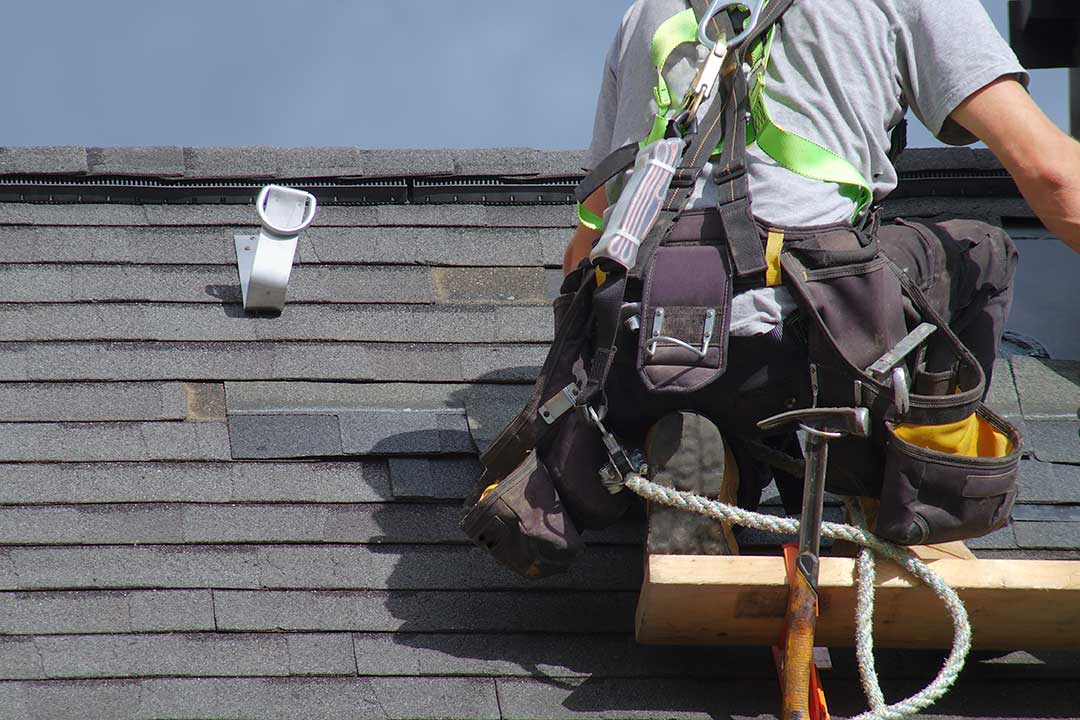
Waiting too long increases the risk of internal water damage, structural rot, and mold in attics or behind walls—problems that cost much more to fix than proactive roof work. Insurance claims for neglect, slow leaks, or lack of routine upkeep may also be denied.
Signs that suggest urgent action:
- Interior ceiling staining spreading or dripping during storms.
- Sagging or buckling visible from yard level.
- Unexplained higher heating bills, possibly from wet insulation and lost attic efficiency.
Repeated roof leaks can even compromise electrical systems and insulation over time. Prompt response preserves both home safety and investment.
Are There Overlooked Signs Residents Should Watch For?
Beyond obvious leaks and missing shingles, some subtler indications should not be ignored:
- Consistent attic humidity or stale odors after rain.
- Peeling exterior paint near rooflines, hinting at trapped moisture.
- Rusted or damaged flashing around chimneys, vents, or skylights, which can easily be missed from the ground.
City residents with older homes or original roofing should be especially vigilant, as earlier construction standards may have lacked some current best practices for venting, underlayment, or waterproofing.
How Should Homeowners Safely Assess Roof Condition?
It’s possible to perform a basic visual check from ground level using binoculars or from an upper-story window. Look for:
- Missing or damaged shingles, particularly in valleys and along the edges.
- Exposed nails or open seams around roof penetrations.
- Uneven patches where past repairs may have failed.
Brief, safe attic checks after big storms can help identify early leaks or daylight where roof boards should be solid. Only attempt rooftop inspection if comfortable and if conditions are dry and safe—slippery shingles and steep pitches are common throughout the city.
For many residents, regular awareness and early detection are the best defenses against costly or emergency repairs. Area households benefit greatly from maintaining a seasonal roof inspection habit, documenting changes, and learning the telltale signs of natural aging versus isolated damage. With the region’s variable weather, a sturdy, reliable roof is one of the community’s best defenses against the elements.
