

How Does Your Roof Affect Energy Efficiency?
A roof does more than keep out rain and snow; it’s a major component in managing a home’s energy use. In regions like Rochester, NY, where both bitter winters and warm, humid summers are common, the design, material, and condition of a roof play a large role in indoor comfort and utility costs. A well-planned roofing system can help keep heat inside during colder months and minimize excess heat during the summer.
The roof acts as a barrier between conditioned indoor air and the outdoors. Heat naturally rises, so much of it escapes through the roof if it isn’t effectively insulated or if the roofing material absorbs and radiates too much heat into the attic space. Conversely, inadequate roofing can increase air conditioning loads in summer.
What Roofing Materials Contribute Most to Energy Efficiency?
Certain roof materials perform better than others in regulating heat flow. Asphalt shingles are common in Rochester, but newer products, coatings, and alternatives can offer different levels of efficiency. Metal roofing, for example, tends to reflect more sunlight than it absorbs, which is helpful during the summer. In contrast, dark, dense roofing materials may radiate more heat into the attic or living space.
Some practical features to consider:
- Reflectivity: Materials with high solar reflectance (sometimes labeled as "cool roofing") can reduce summer cooling costs.
- Insulation Value: Some materials work with underlayments or barriers to increase the roof’s R-value (resistance to heat flow).
- Longevity and Durability: Materials that shed snow efficiently or withstand freeze-thaw cycles reduce the risk of ice dams, leaks, and resulting heat loss.
Many local homes are built with traditional asphalt shingles, but awareness is growing around alternatives like light-colored or specially coated shingles, which can reflect more sunlight and moderate attic temperatures during heat waves.
How Does Attic Insulation Impact Energy Loss?
Attic insulation and roof ventilation form the backbone of energy management for most houses. Insulation slows the transfer of heat between the home’s living spaces and the attic, helping maintain a consistent indoor temperature.
In Rochester, insufficient attic insulation can result in:
- Significant heat loss during prolonged cold snaps, driving up heating bills
- Ice dams, which happen when snow on the roof melts and refreezes at the edge, often damaging shingles and gutters
To get the most benefit, attic insulation should be continuous, cover all exposed areas, and meet recommended R-values for local climates. In many area homes, attic insulation is one of the least expensive but most effective upgrades for energy savings.
How Does Roof Color and Design Influence Home Comfort?
Roof color is often overlooked but can make a meaningful difference in seasonal comfort. Light-colored roofs tend to reflect more sunlight, which means less heat being transferred into attic spaces. This can be particularly helpful during hot, sunny stretches.
Roof pitch and shape also play a role. Steep roofs shed snow more efficiently, reducing load and minimizing melting that can lead to ice dam formations. Flat or low-sloped roofs, on the other hand, may see more accumulation and slower melting, resulting in greater temperature swings.
Are Cool Roofs a Viable Option in This Climate?
Cool roofs are designed to reflect more sunlight and absorb less heat compared to standard roofs. They’re common in warm, sunny climates but can also offer benefits in places with wide seasonal swings. In this area, cool roof materials or coatings can help reduce attic temperatures in summer; however, it’s important to balance this benefit against the need for winter warmth, as too much reflectivity can sometimes lead to higher heating costs.
Homeowners in Rochester sometimes weigh the following when considering a cool roof:
- The amount of direct sun exposure the home receives
- Whether the primary concern is winter heat loss or summer cooling costs
- The architecture of the home, and whether increased attic ventilation can complement a cool roof
What About Roof Maintenance and Its Impact on Energy Use?
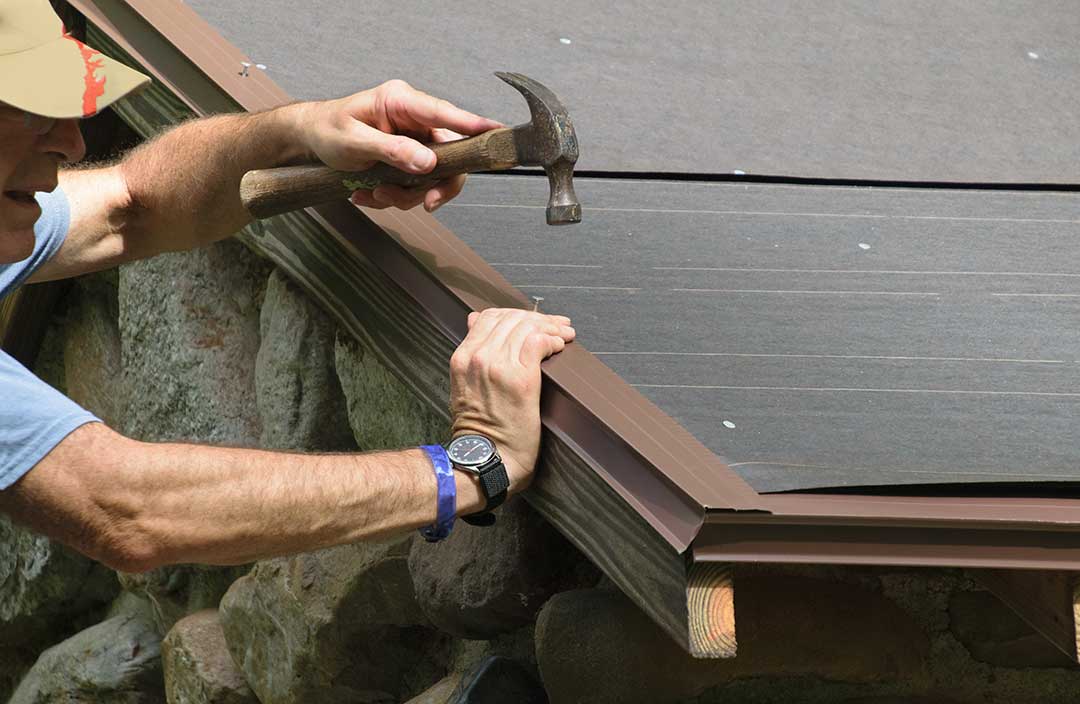
Routine maintenance can have a surprising effect on energy efficiency. Debris such as leaves or moss reduces the roof’s ability to reflect sunlight or shed water, while damaged shingles or flashing increase the risk of air leaks and heat transfer.
Checking for the following can help reduce unexpected energy costs:
- Missing, damaged, or curling shingles
- Gaps or weaknesses around roof penetrations (vents, chimneys, skylights)
- Signs of water damage or moisture buildup in attic spaces
Small maintenance steps can prevent both energy loss and costly repairs, especially after storms or heavy snowfall.
What Are Some Common Misconceptions Around Roof Energy Efficiency?
Many residents assume that only insulation matters or that all roofing materials offer the same results. Some overlook simple upgrades, such as installing a radiant barrier in the attic or improving ventilation, which can significantly boost energy performance when combined with appropriate roofing choices.
Another frequent misconception is that visible roof issues—like black streaks or light accumulation of moss—have no effect beyond aesthetics. In reality, neglected buildup can trap moisture, degrade materials, and increase heat loss or gain.
Practical Steps Rochester Residents Can Take
Improving the energy performance of a roof doesn’t necessarily require a full replacement. Area homeowners might consider:
- Adding or upgrading attic insulation to meet or exceed current recommendations
- Choosing lighter-colored or energy-rated shingles if completing a re-roofing project
- Keeping gutters and roof surfaces clear to prevent moisture retention and promote proper melting/drainage
- Inspecting the attic for dampness, drafts, or thin insulation each season
- Considering vent upgrades or attic fans where appropriate
Home energy audits, sometimes offered through local or state programs, can help identify the most effective changes for a given property.
