
What Is Regular Roof Maintenance and Why Is It Relevant in Rochester, NY?
Regular roof maintenance refers to the routine inspection, cleaning, and minor repair of residential roofs to prevent deterioration and extend their lifespan. In Rochester, NY, where weather shifts rapidly and winters are especially harsh, ongoing maintenance plays a distinct role in protecting homes.
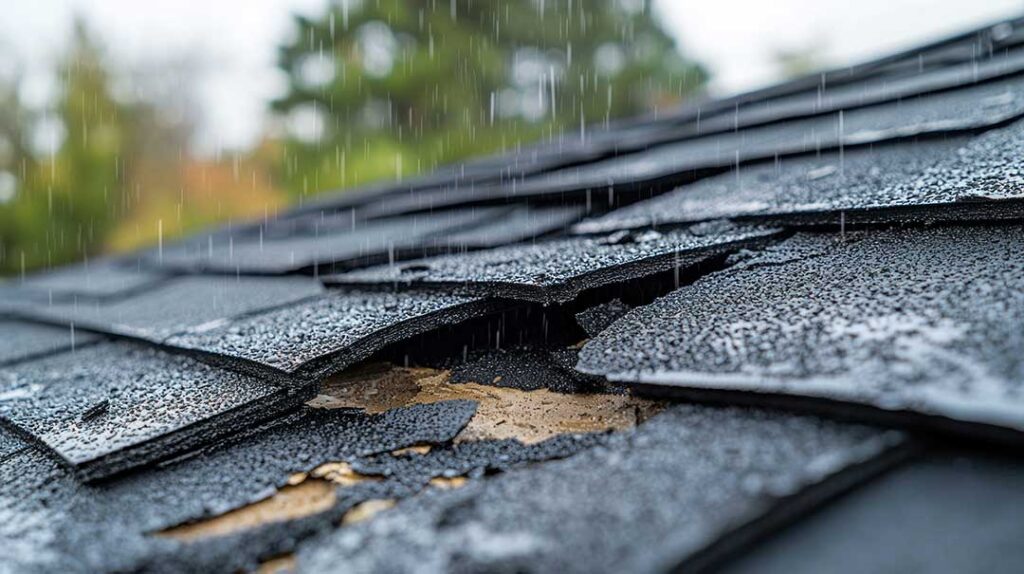
Roofs in this region endure freeze-thaw cycles, lake-effect snow, heavy rainfall, and seasonal windstorms—factors that make them more vulnerable to leaks, shingle damage, ice dams, and other issues. Homeowners who stick to a maintenance schedule are less likely to face unexpected, costly repairs from weather-driven wear and tear.
How Does Climate Impact Roof Longevity in Rochester?
Roofs in Rochester encounter unique challenges due to the local climate. Melting snow and ice can seep into small cracks, then refreeze and expand, worsening the damage. Heavy snow loads can stress roofing structures. Spring rains often reveal leaks that started in winter, while autumn’s falling leaves and debris can block gutters—leading to water backup and rot.
Routine upkeep helps area residents:
- Catch small problems, like popped nails or missing shingles, before they become major leaks
- Remove snow, ice, or debris that would otherwise trap moisture against roof surfaces
- Ensure gutters and downspouts are clear to move water away from the roof and foundation
What Tasks Are Included in Effective Roof Maintenance?
A comprehensive maintenance routine involves more than a quick glance at the shingles. Below are standard practices for homes in the city:
- Visual inspection of shingles for curling, cracking, or displacement
- Checking for missing or damaged flashing around vents, chimneys, and skylights
- Clearing gutters and downspouts of leaves, twigs, and other debris (especially after leaf drop and snowmelt)
- Removing moss and algae growth, which can retain moisture and hasten deterioration
- Assessing attic ventilation to prevent moisture build-up and related wood rot
- Examining ceilings and interior walls for any signs of leaks or water staining
Maintenance simply means addressing these issues as soon as they are noticed, rather than waiting for a leak or major storm to point them out.
Why Is Early Detection So Valuable?
Catching roofing problems early keeps repair needs minimal and costs down. Addressing a missing shingle or re-sealing metal flashing is a far simpler (and less expensive) task than repairing a large water-damaged section of roof and attic.
Some key benefits for local property owners:
- Reduces likelihood of surprise leaks during heavy snow or rain
- Prevents mold or mildew growth in insulation and walls, which can be costly and difficult to remove
- Avoids structural damage from wood rot, which may require major carpentry work
- Preserves curb appeal and resale value
Procrastinating or ignoring minor roofing issues often results in more complex repairs as water finds its way beneath shingles and into the building envelope.
How Often Should Maintenance Be Done?
While the exact frequency can depend on roof age, materials, and tree cover, most Rochester households benefit from twice-yearly attention—typically in early spring (after snow melts) and late fall (after leaf drop).
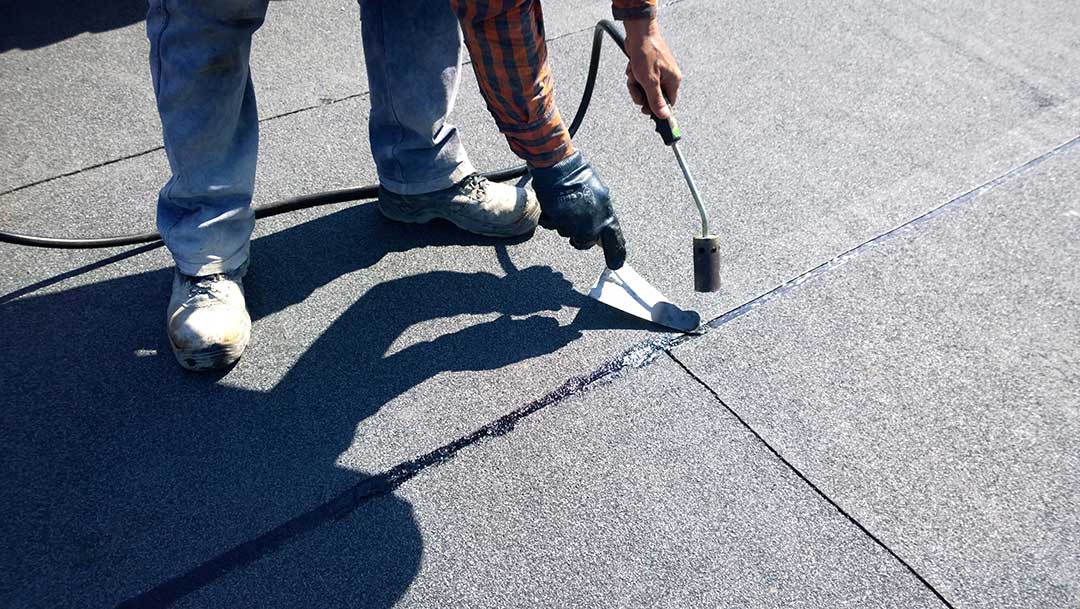
Additional quick checks after major weather events, such as windstorms or ice storms, are wise. These can catch acute damage like torn shingles or fallen branches before the next round of inclement weather compounds any problems.
Gutter clearing, in particular, is an often overlooked but vital seasonal task. Blocked or overflowing gutters direct water back under roof edges, leading to wood rot and leaks along eaves.
What Are Some Common Misconceptions About Roof Maintenance?
Some homeowners believe that newer roofs or roofs with longer warranties do not require regular attention. However, even modern materials can develop issues from wind, animal activity, or debris accumulation. Another common myth holds that roof maintenance is only needed when leaks or visible damage appear.
In reality:
- Leaks often begin as small, hidden issues long before they are visible inside the home
- Tree branches in contact with shingles can gradually abrade or damage them
- Ice dams can cause water to back up under otherwise intact shingles
- Moss or algae, if not removed, can reduce shingle lifespan and trap moisture
Neglecting seasonal inspection simply increases the risk of unexpected repairs.
How Does Maintenance Affect Roof Lifespan and Home Value?
A well-cared-for roof outlasts a neglected one—sometimes by several years. For local properties, timely upkeep supports:
- Prolonged material lifespan, meaning less frequent (and less expensive) full replacements
- Reduction in emergency repairs, which are rarely budget-friendly and can disrupt daily life
- Preservation of exterior appearance, preventing visible signs of aging and damage that can lower property value
Potential buyers or appraisers often look for evidence of well-maintained roofing, as it provides confidence that the home has been protected from water and weather over time.
What Safety Issues Should Residents Be Aware Of?
While many tasks such as visual inspections and some gutter cleaning can be done from the ground or with a sturdy ladder, working at height involves risks. Ladder safety is especially important during icy, wet, or windy conditions common in Rochester. Use stable ladders and avoid roof work during slippery conditions. Tasks like repairing steep roofs or addressing widespread structural damage should only be handled by those comfortable and capable of safely working at heights.
When snow, ice, or electrical hazards are present, waiting for safe conditions is always the better choice.
