
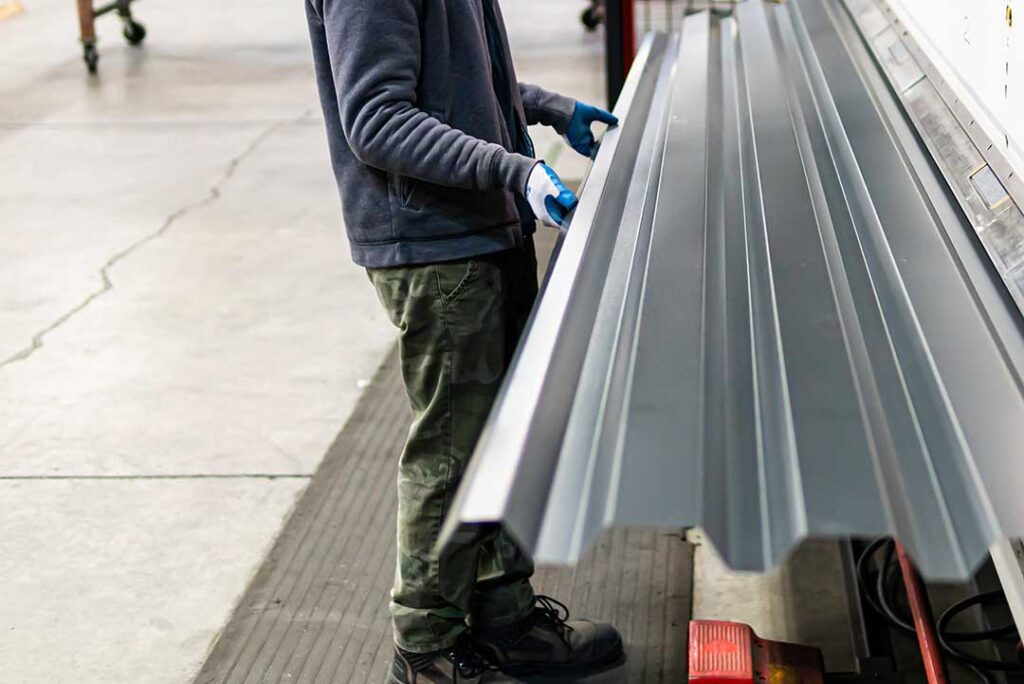
Why Do Rochester, NY Homeowners Need to Clean Their Roofs?
Regular roof cleaning helps area households prevent moss, algae, and debris buildup that can shorten the lifespan of asphalt shingles and other roofing materials. In Rochester, NY, mild and humid summers followed by damp, leaf-heavy autumns often create the perfect environment for organic growth on roofs, especially beneath large trees. Allowing debris and moss to stay too long can lead to moisture retention and eventual shingle damage.
What Basic Safety Precautions Should Be Taken?
Rooftop work presents real risks. The first priority before beginning any cleaning project is ensuring personal safety. Always:
- Check weather forecasts. Work only on clear, dry days, as Rochester surfaces become slippery when wet or icy.
- Never climb ladders alone—always have another adult nearby.
- Use footwear with sturdy, non-slip soles.
- Avoid working around power lines or during gusty conditions, which are common during certain spring and fall shifts.
- Do not lean or reach too far from your center of gravity.
If the roof is steep, exceptionally high, or damaged, prioritizing safety may require leaving the job to trained professionals.
What Tools and Materials Are Typically Needed?
Gather all necessary tools before starting:
- A sturdy extension ladder suited for the roof height
- Soft-bristled brush or broom
- Garden hose with spray nozzle (avoid pressure washers on asphalt shingles)
- Safety harness (recommended for all but the flattest roofs)
- Protective gloves and goggles
For cleaning solutions:
- Most Rochester, NY residents can use a simple 50:50 mix of water and white vinegar to kill moss or algae.
- Avoid harsh chemicals such as bleach, as they can damage shingles and harm nearby landscaping.
How Should Roofing Debris Be Removed?
Begin by clearing debris like leaves, twigs, and moss. Working from the roof ridge downward, gently loosen and sweep debris off using a soft-bristled brush. Never use metal tools that can scrape through protective granules. Take care not to push debris into gutters—always work it away from roof edges and collect it on a tarp as it falls.
What Is the Safest Way to Address Algae and Moss Growth?
For the dark streaks often seen on local roofs—caused by algae—apply the diluted vinegar solution evenly with a hand sprayer. Let it sit 15-20 minutes before rinsing off with gentle water pressure. Avoid scrubbing shingles hard, as this may dislodge granules or create weak spots. If moss is present, apply the same solution and use a soft brush to gently remove clumps after they loosen.
Are Pressure Washers Safe for Roof Cleaning?
In most cases, high-pressure washers can cause significant damage to the surface of asphalt shingles, a common material in Rochester homes. Forceful water spray may remove granules, shorten shingle life, and void material warranties. Stick with low-pressure rinses using a regular garden hose, which provides enough force to rinse organic residue and cleaning solution safely.
How Can Roof Cleaning Support Gutter Health?
Leaves and moss that accumulate on roofs often end up in gutters and downspouts, leading to blockages that are especially problematic during snowmelt and spring rainstorms. To minimize issues:
- Clear debris from both the roof and gutters in the same session.
- Wear gloves when scooping gutter material by hand.
- Run water down the system to check for proper flow.
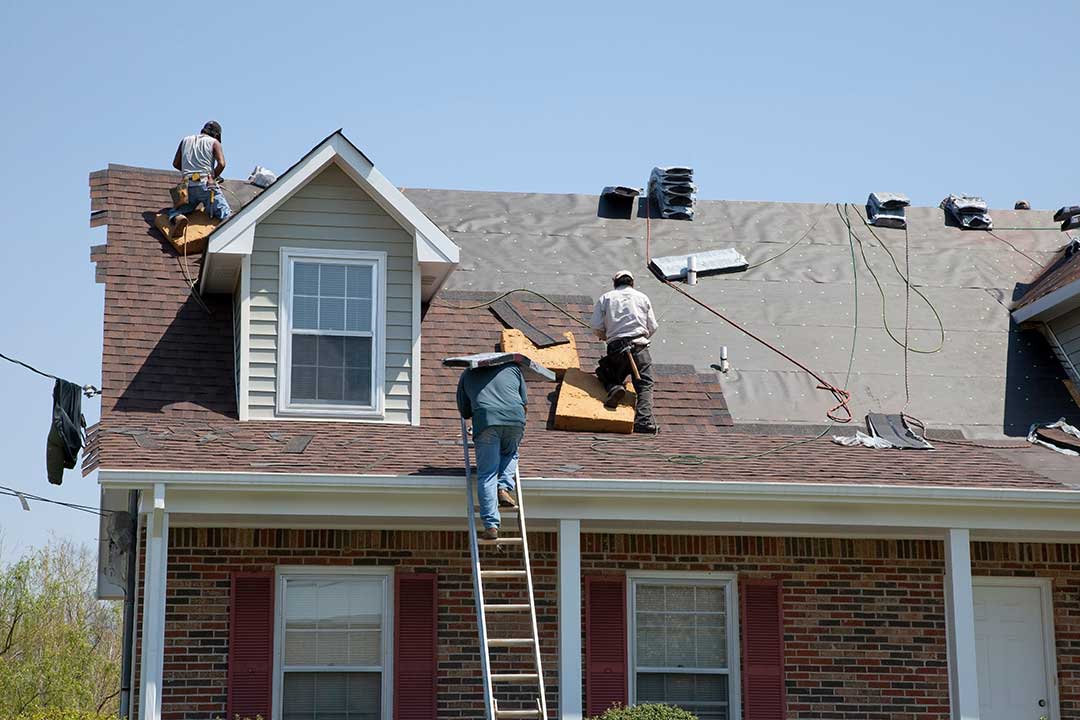
Free-flowing gutters help protect ceilings, siding, and foundations from Rochester’s heavy seasonal precipitation.
What’s the Best Time of Year for Roof Cleaning in Rochester, NY?
Area homeowners see the greatest benefits by cleaning roofs in late spring or early summer, when surfaces are fully dry and fall leaf buildup has not begun anew. However, after a particularly heavy autumn leaf drop or following a mild winter, a second cleaning in late fall may be warranted. Avoid rooftop work during icy, snowy, or windy winter conditions.
What Are Common Mistakes to Avoid?
A few common errors often result in unnecessary roof damage:
- Using stiff-bristled or metal brushes, which scrape protective layers
- Applying high concentrations of bleach or harsh chemicals, which can damage shingles and local waterways
- Attempting cleaning in poor weather or while working alone
- Ignoring moss or algae patches, as these hold moisture and encourage further growth
Careful, consistent effort always produces better and safer results than rushed or aggressive techniques.
How Can Homeowners Prevent Future Growth?
Preventing moss and algae is easier than removing large, established patches:
- Trim back overhanging branches to increase sunlight on shaded portions of the roof.
- Remove leaves and pine needles periodically, especially after summer storms or autumn winds.
- Ensure attic spaces are well-ventilated to reduce moisture on roofing surfaces.
- Regularly check and clear gutters to direct water off the roof quickly.
Staying ahead of buildup makes each cleaning job smaller and safer—key for area households handling maintenance themselves.
