
How Does Local Weather Affect Roof Longevity?
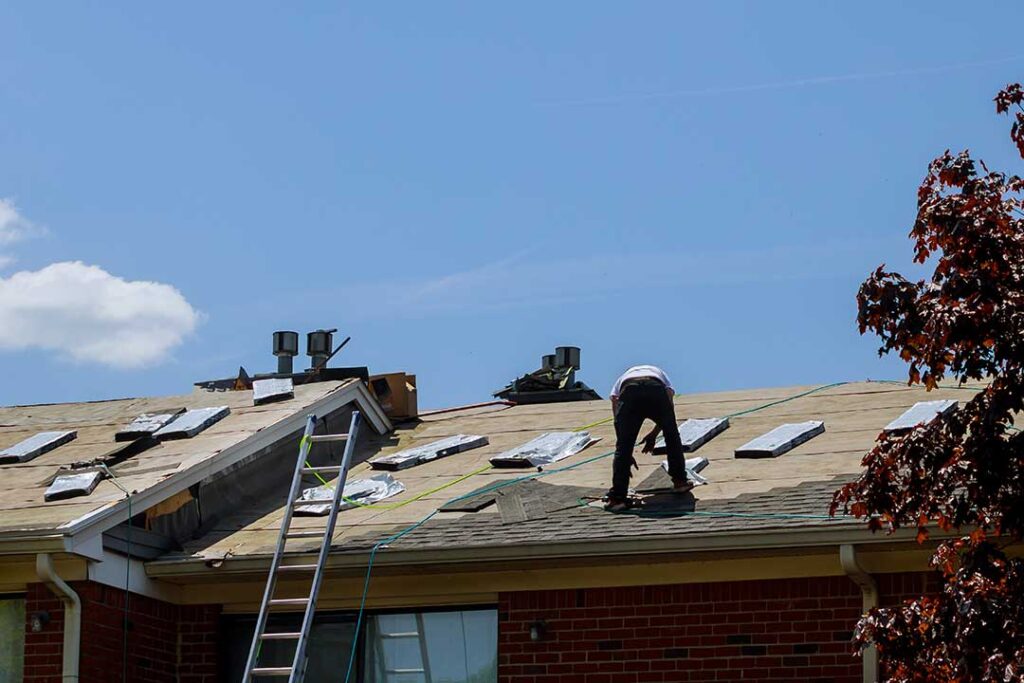
Rochester, NY experiences all four seasons, ranging from snowy winters to humid summers, and this constant cycle is tough on roofs. Temperature swings, ice dams, heavy snowfall, and high winds all contribute to normal wear and tear. Homeowners in the community should understand that roof care here is different than in milder regions. Proactive maintenance and adaptation to these unique climate challenges are essential to maximize roof lifespan.
What Shortens Roof Life Most in Rochester, NY?
Roofs in Rochester are most often impacted by these factors:
- Repeated freeze-thaw cycles causing shingle cracking and loosening
- Ice damming from poor attic insulation and ventilation, leading to water backup under shingles
- Accumulated wet leaves and debris in gutters slowing drainage and promoting rot
- Heavy snow loads creating stress on older or under-maintained structures
- Growth of moss and algae during humid stretches, especially on shaded north-facing slopes
Simple steps like removing snow after large storms or improving attic airflow can have an outsized influence on preventing these issues.
How Often Should a Roof Be Inspected Locally?
Because of Rochester’s weather variations, an annual inspection is considered the minimum. Check in both spring and fall if possible, right after winter and before the first snowfall. Homeowners comfortable on a ladder can check from the ground with binoculars or visually inspect the attic. Look for:
- Missing, curling, or buckled shingles
- Areas with granule loss or exposed underlayers
- Dark streaks indicating potential algae or mold
- Dented or sagging gutters and flashing
- Water stains or light coming through the attic ceiling
If there are signs of damage, address them promptly to avoid further issues.
How Can Residents Prevent Ice Dams and Water Intrusion?
Start by ensuring adequate attic ventilation and insulation. Proper ventilation keeps attics cold, limiting snow melt that triggers ice dams. Simple upgrades like sealing attic air leaks and installing insulation over openings (such as attic hatches) can make a significant difference. Clear snow from the lower 3-4 feet of the roof edge after each heavy snowfall using a roof rake with a telescoping handle to safely work from the ground. Avoid chipping at ice directly, as this can damage shingles.
Are Gutters and Downspouts Really That Important?
Clogged gutters are a frequent cause of water backing up under shingles, especially during autumn leaf fall and spring thaws. Ensure gutters and downspouts are free of debris, especially before winter. Extend downspouts at least three feet from the home’s foundation to encourage proper drainage. Regularly check for loose or leaky seams, and repair or reseal as needed. Residents with mature trees nearby may need to clear gutters more than once per season.
What About Tree Branches Near the Roof?
Overhanging branches can scrape shingles during windstorms and drop leaves or twigs that collect moisture. Trimming trees so branches stay a few feet away from the roofline reduces the risk of both mechanical damage and excessive organic debris. This is particularly important after heavy snowfall or ice storms, when weighed-down limbs are more likely to break.
How Can You Spot and Control Moss or Algae?
Roofs shaded by tall trees and facing north may develop moss or algae, especially after wet summers. While these growths are more common in some city neighborhoods than others, they’re best removed early. Light accumulations can often be cleared with a soft-bristle brush and a blend of water and mild soap. Avoid pressure washing, which can force water under shingles. Zinc or copper strips near the roof ridge can help deter future growth by gradually releasing small amounts of metal when it rains.
Can Minor Repairs Extend Roof Life?
Prompt repair of small issues prevents them from growing into expensive, widespread leaks. Examples include:
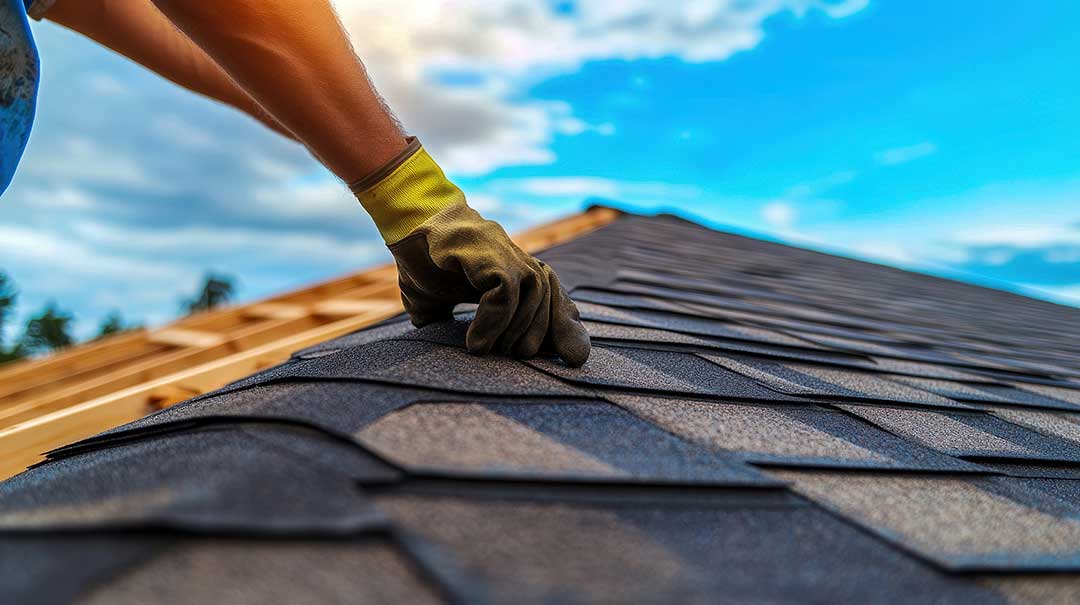
- Replacing a few missing or damaged shingles after a windstorm
- Repairing cracked flashing at chimneys or vent pipes
- Securing loose gutter sections before heavy spring or fall storms
Even confident DIYers should only attempt work they can safely complete with proper tools and precautions. For steep roofs or difficult repairs, waiting until conditions are dry and calm greatly reduces risk.
Is Cleaning the Roof Sometimes Harmful?
It’s tempting to use pressure washers or harsh chemicals to make old shingles look new, but these methods often do more harm than good. Too much force can remove protective granules, void manufacturer warranties, or drive water underneath. Basic seasonal cleaning—like clearing branches, leaves, and organic buildup—is the safest way to maintain appearance without sacrificing durability. For unsightly rooftop stains, gentle scrubbing with soapy water is usually sufficient.
What Role Does Attic Ventilation Play in Roof Health?
In Rochester, attic ventilation helps balance temperature and manage indoor moisture. A well-ventilated attic reduces the chance of ice damming in winter and slows shingle aging in summer by lowering attic temperatures. Check soffit, ridge, and gable vents for blocks or obstructions. If condensation or a musty smell is present in the attic, additional airflow may be needed.
Are Regular Maintenance Records Useful?
Keeping a simple written or photo record of inspections and repairs helps residents track the roof's condition and spot patterns over time. Note seasonal changes, repair dates, and any prior leak locations. This documentation is especially valuable for households planning to sell their home in the future, as it provides transparency and confidence for buyers.
