
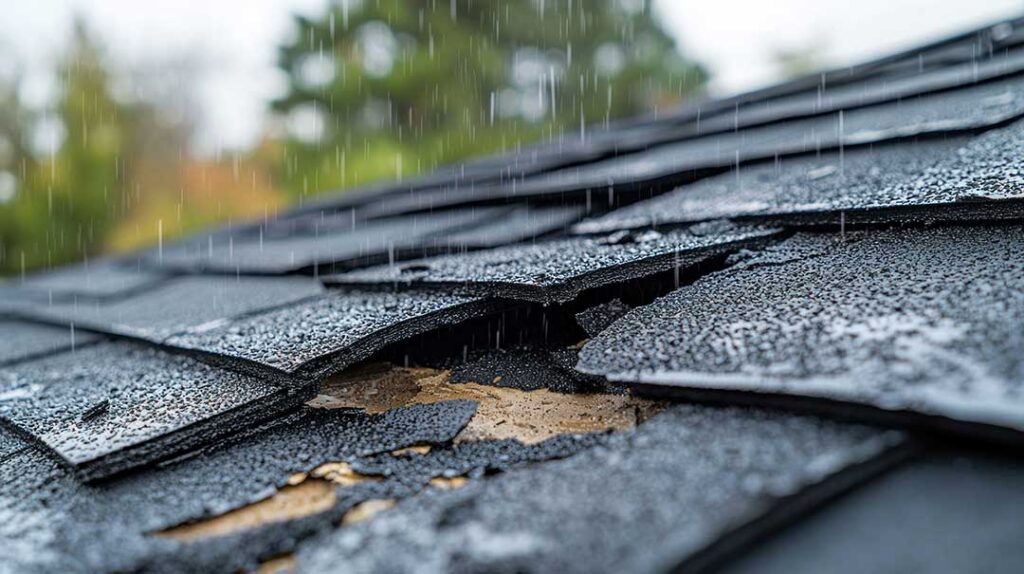
Why do gutters matter to roof health?
Gutters help control where rainwater and melting snow go after they leave the roof. By collecting runoff and directing it away from exterior walls, trim, windows, siding, and the foundation, a functioning gutter system reduces the amount of moisture that reaches vulnerable parts of the house.
In Rochester, NY, gutters face a demanding mix of conditions. Rain is distributed throughout the year, while winter brings snow, freezing temperatures, thaws, and ice. The region also receives localized lake-effect snowfall, meaning some neighborhoods may experience heavier snow loads than nearby areas. ([weather.gov](https://www.weather.gov/buf/ROCclifo?utm_source=openai))
Gutters do not make a roof waterproof by themselves. Their role is to support the roof drainage system and prevent water from repeatedly reaching areas where it can cause deterioration.
How can clogged gutters damage a roof?
Clogged gutters allow water to back up beneath the roof edge or spill over the sides. That overflow can saturate fascia boards, soffits, exterior walls, and the upper portions of the foundation.
Common problems include:
- Rot in the fascia or roof-edge framing
- Peeling paint or staining beneath the eaves
- Wet or deteriorated soffit materials
- Water entering through poorly protected roof edges
- Accelerated wear around roof-wall intersections
- Ice forming along the roof edge during freezing weather
Leaves, small branches, roof granules, and sediment can collect in gutters over time. In older neighborhoods with mature trees, debris may accumulate quickly during autumn. A gutter that looks mostly open from the ground can still have a blockage near an outlet or downspout connection.
Do gutters prevent roof leaks?
Gutters can reduce some moisture-related risks, but they cannot prevent every roof leak. Roof leaks may result from damaged shingles, failed flashing, exposed fasteners, deteriorated pipe boots, ice dams, or problems around chimneys and wall intersections.
A gutter system becomes part of the leak problem when it causes water to pool or back up at the roof edge. For example, if a gutter is clogged during a heavy rainfall, water may remain against the lower edge of the roofing system instead of draining away. Repeated exposure can damage wood components even if water never appears inside the living space.
This distinction matters: a roof can be in generally good condition while its drainage system is failing, and a clean gutter cannot correct a damaged roof covering or defective flashing.
What happens when downspouts discharge too close to the house?
A downspout that releases water beside the foundation may protect the roof edge while creating a foundation drainage problem. Concentrated runoff can soak the soil, erode landscaping, stain masonry, and increase the chance of water entering through foundation cracks or joints.
The U.S. Environmental Protection Agency recommends directing roof drainage away from the structure and notes that leaders should discharge onto sloping ground or an appropriate drainage system. Its guidance also emphasizes keeping joints watertight so water does not escape next to the foundation. ([epa.gov](https://www.epa.gov/sites/default/files/2014-08/documents/building_codes_and_iaq.pdf?utm_source=openai))
Signs of poor downspout drainage include:
- Puddles near the foundation after rain
- Soil washout below the downspout
- Damp basement walls or musty odors
- Repeated foundation staining
- Mulch or soil displaced after storms
- Water freezing on walkways during winter
Extensions or underground drainage may help, but the outlet must remain clear and should not direct water toward a neighboring structure, walkway, or low spot beside the home.
Why are gutters especially important during Rochester winters?
Winter creates several drainage challenges. Snow can cover the roof for extended periods, then melt during a thaw. If gutters are blocked, frozen, sagging, or filled with ice, meltwater may have nowhere to go.
Ice dams form when heat escapes into the roof space and melts snow on warmer portions of the roof. The water can refreeze near colder eaves. Gutters do not cause ice dams by themselves, but blocked gutters and poor drainage can make the resulting water backup more severe. Heavy snow and ice dams are both recognized moisture concerns for buildings. ([epa.gov](https://www.epa.gov/indoor-air-quality-iaq/indoor-air-quality-and-changing-outdoor-environments?utm_source=openai))
Gutters should not be used as a ladder or as a support point for removing snow and ice. Pulling on frozen gutters can bend them, loosen hangers, or damage the fascia. Roof snow removal also involves fall hazards and should not be attempted from an unstable ladder or icy surface.
How often should gutters be checked?
A practical inspection schedule is late spring, early fall, and after major storms. Homes surrounded by mature trees may require more frequent checks.
Look for:
- Gutters pulling away from the fascia
- Sections that sag or hold standing water
- Cracks, rust holes, or separated seams
- Loose or missing hangers
- Downspouts that are disconnected or blocked
- Water marks beneath the roof edge
- Granules or shingle debris collecting in unusual amounts
A small amount of water remaining briefly after rainfall may reflect normal gutter slope, but persistent standing water usually indicates an improper pitch, sagging section, or obstruction.
Ground-level observations are useful, but they do not reveal every problem. A gutter can appear intact while the rear edge is allowing water behind it, or while a downspout is blocked below grade.
Are gutter guards a complete solution?
Gutter guards can reduce the amount of large debris entering a gutter, but they do not eliminate maintenance. Fine seeds, roof grit, pine needles, and organic material may still collect on or beneath the guard. Some systems also require cleaning at their edges and outlets.
The most important questions are whether water can enter freely, whether the guard remains secure during snow and wind, and whether the gutter can still be inspected. A covered gutter that cannot be checked may hide a blockage until overflow becomes visible.
Gutter guards also do not correct inadequate slope, undersized downspouts, damaged fascia, or poor discharge locations.
What should homeowners check after a heavy storm?
After strong rain or a rapid snowmelt, inspect the areas where roof drainage is easiest to observe. Check whether water is flowing through the downspouts, whether it is spilling over the front edge, and whether the ground is eroding below the outlet.
Inside the house, watch for new staining near exterior walls, ceilings, attic areas, and upper-floor windows. A damp smell, bubbling paint, or discolored trim can indicate moisture even when there is no active dripping.
If a gutter is hanging loose, a roof edge is visibly damaged, or water is entering the building, avoid climbing onto the roof. Work involving steep slopes, ice, unstable ladders, electrical hazards, or structural damage requires appropriate safety precautions and may require qualified assistance.
Good gutter performance is not about keeping every drop of water off the roof. It is about moving roof runoff away from the roof edge, walls, and foundation before repeated wetting becomes a larger building problem.
