
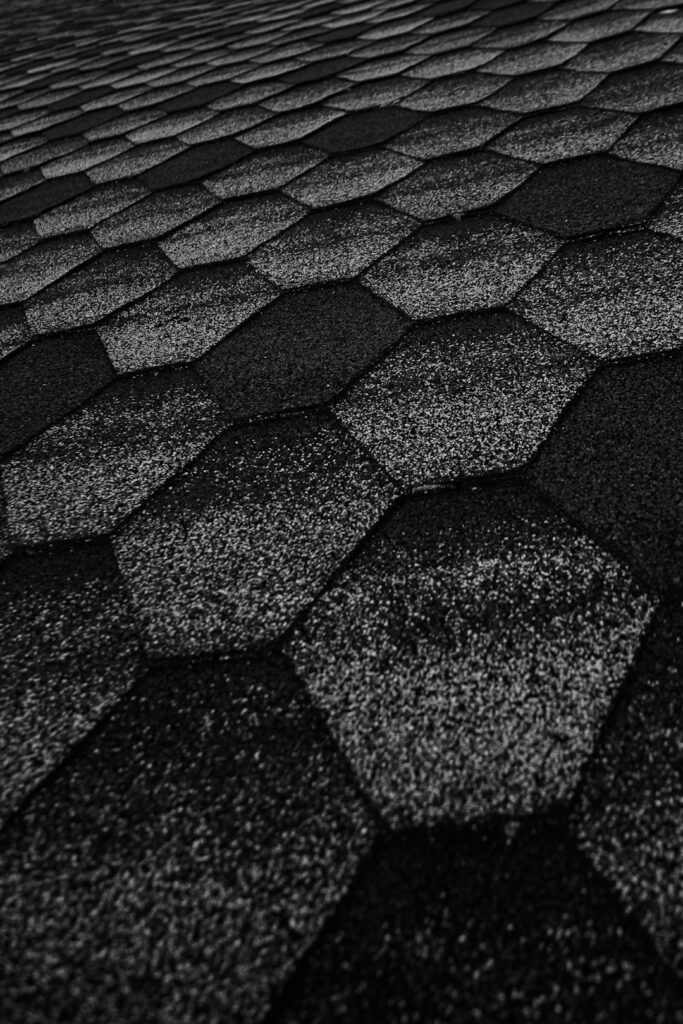
Roof damage is often associated with snow, wind, and ice, but sunlight also plays a major role in how roofing materials age. In Rochester, NY, a roof experiences strong seasonal contrasts: cloudy, snowy winters followed by bright summer conditions, repeated temperature changes, and periods of heat and humidity.
Sun exposure does not usually cause sudden failure. Instead, it gradually changes roofing materials, making them more brittle, faded, warped, or less resistant to moisture and wind.
How does sunlight damage roofing materials?
Sunlight affects a roof through ultraviolet radiation and heat. Ultraviolet radiation breaks down the chemical compounds that help roofing materials remain flexible and weather-resistant. Heat causes materials to expand, while cooler nighttime temperatures make them contract.
That repeated movement can contribute to long-term wear, especially when combined with moisture and freezing conditions.
Common effects include:
- Fading or uneven discoloration
- Loss of flexibility
- Surface cracking or blistering
- Shrinkage around exposed edges
- Deterioration of protective coatings
- Loosening or curling of individual roofing pieces
The amount of damage depends on the roofing material, its age, color, slope, ventilation, and exposure to other weather conditions.
Which parts of a roof receive the most sun?
South-facing roof surfaces generally receive the most direct sunlight over the course of a year. Roof sections facing east or west can also experience substantial exposure, especially during morning or afternoon hours.
A roof may age unevenly because of differences in:
- Direction and angle
- Nearby trees or taller structures
- Roof shapes and dormers
- Shadows from chimneys or adjacent roof sections
- Ventilation beneath the roof covering
It is common for one slope to look noticeably older than another. A shaded north-facing section may retain its original color longer, while a more exposed slope may show fading, granule loss, or surface wear first. Uneven appearance does not automatically mean that the entire roof needs replacement, but it does justify closer inspection.
Why do asphalt shingles fade and lose granules?
Asphalt shingles contain colored mineral granules that protect the underlying asphalt from sunlight and weather. Over time, ultraviolet exposure can fade the surface and contribute to the loss of the oils and compounds that help the shingle remain flexible.
Some granule loss is normal, particularly during installation and the early life of a roof. More concerning signs include:
- Bare or visibly thin patches
- Granules collecting heavily in gutters
- Dark areas where the underlying asphalt is exposed
- Shingles that appear smooth, brittle, or cracked
- Faded sections that also show curling or edge wear
Granules are not merely decorative. They provide texture, color, and some protection from ultraviolet radiation. Once a significant amount of the protective surface is gone, the shingle can deteriorate more quickly.
Does a dark roof get hotter?
Yes. Dark-colored roofing materials generally absorb more solar energy than lighter materials. The roof surface can become much hotter than the surrounding air on a sunny day, particularly when the roof is dry and exposed to direct sunlight.
Higher surface temperatures may increase heat transfer into the attic. This does not mean that a dark roof is unsuitable for the local climate, but attic insulation and ventilation become more important in managing heat.
A hot roof can also experience greater expansion and contraction. Over many seasons, that movement may contribute to cracking, fastener movement, seal failure, and aging around roof edges or penetrations.
The effect on indoor comfort depends on the entire roof assembly. Insulation, air sealing, ventilation, ceiling design, and attic moisture conditions all influence how much outdoor heat reaches the living space.
Can sun exposure affect roof ventilation?
Sunlight does not directly cause poor ventilation, but it can make ventilation problems more noticeable. A roof with limited airflow beneath the roofing materials may retain more heat during sunny weather.
Adequate attic ventilation helps remove heat and moisture. Intake vents near the lower roof edge and exhaust vents near the upper portion work together when they are properly designed and unobstructed.
Poor ventilation can contribute to:
- Excessive attic heat
- Moisture accumulation
- Mold or mildew on roof sheathing
- Premature aging of roofing materials
- Ice dam conditions when heat escapes unevenly during winter

Ventilation cannot reverse damage that has already occurred, and adding vents without considering the full attic design may not solve the problem. Air sealing and insulation are also part of the picture.
How does Rochester’s climate change the effect of sunlight?
The local climate creates a repeating cycle of exposure rather than a single, consistent stress. Summers are often warm and sunny, while winters bring cloud cover, snow, rain, freezing temperatures, and periodic thaws. Snowfall can vary considerably across the surrounding area because of lake-effect weather.
That pattern matters because sunlight may warm a roof after a cold period, while moisture remains present in seams, cracks, or porous materials. Repeated freezing and thawing can enlarge small defects that began with ultraviolet and heat exposure.
A roof may also dry unevenly. Sunlit areas can warm and dry quickly, while shaded sections remain damp longer. This difference can contribute to moss or algae growth in areas with limited sunlight, although biological growth is more closely connected to moisture and shade than to sunlight itself.
Do solar panels protect a roof from sun damage?
Solar panels can shade the roof areas directly beneath them, but they do not protect the entire roofing system. The exposed portions continue to age, and the roof must remain in sound condition beneath the panels.
Panels, mounting hardware, and wiring can also create areas that are more difficult to inspect. If a roof is already near the end of its serviceable life, its condition should be evaluated before panels are installed. Removing and reinstalling equipment later can add complexity.
The key issue is not whether panels are present, but whether the underlying roof covering, flashing, sheathing, and penetrations remain watertight and properly maintained.
What should homeowners look for during a roof inspection?
A ground-level inspection can identify many warning signs without anyone climbing onto the roof. Look for:
- Different color patterns between roof slopes
- Curling, cracked, or missing shingles
- Shiny or bare patches
- Excessive granules in gutters or downspouts
- Damaged flashing around chimneys, vents, and skylights
- Sagging roof edges
- Stains or damp areas in the attic
- Daylight visible through the roof deck
- Unusually hot attic conditions during sunny weather
Roof inspections are safest when performed from the ground, attic, or another stable location. Walking on shingles can damage aging materials and creates a fall hazard, particularly when surfaces are steep, wet, icy, or weakened.
Sun exposure alone does not determine whether a roof must be replaced. Age, installation quality, ventilation, moisture, wind, snow, and the condition of the roof deck all matter. The most useful assessment considers how these factors interact across the entire roofing system.
